
A scientific article published in Zygote, a journal by the University of Cambridge, documents for the first time the embryonic and larval development of Dekeyseria picta, an ornamental fish species of ecological and commercial importance. This achievement was led by researchers from FUNINDES, a strategic partner of the REDD+ Matavén Project, and was made possible through the Ornamental Fish Breeding in Captivity Project implemented in the territory.
The Matavén territory continues to generate impact beyond forest protection. It also contributes valuable scientific knowledge at a global level. Recently, the scientific journal Zygote, published by Cambridge University Press, featured the article “First reproductive record of Dekeyseria picta (Siluriformes: Loricariidae): insights into embryonic development plasticity”, authored by Ruben Dario Morales-Gamba and Armando Ortega-Lara from Fundación FUNINDES.
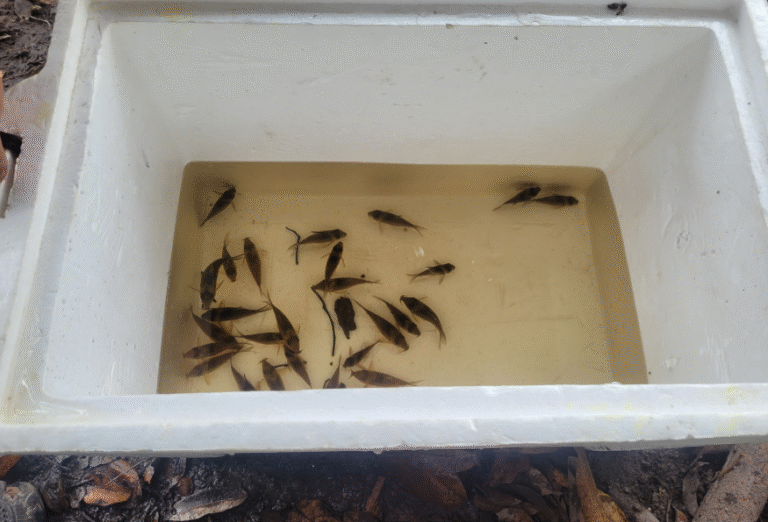
The study documents, for the first time, the embryonic and larval development of Dekeyseria picta, also known as the Atabapo butterfly pleco, under captive conditions. Multiple spawning events were recorded, along with detailed observations of early developmental stages. This finding is particularly significant because knowledge about the reproductive biology of this species was previously limited.
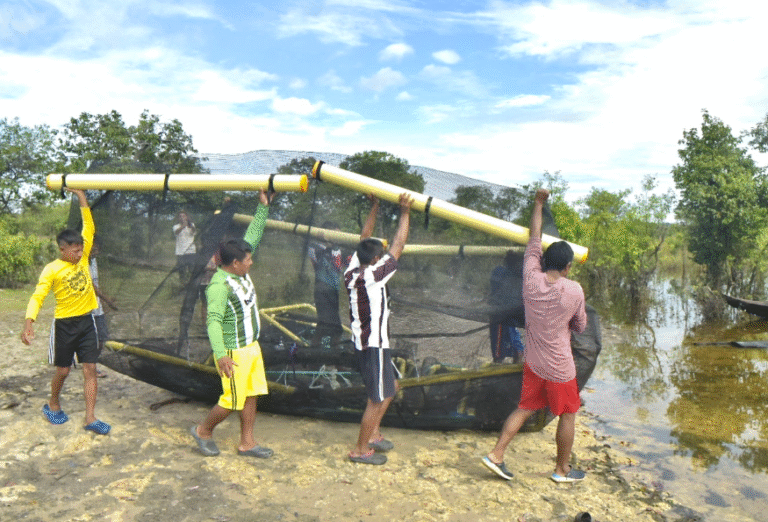
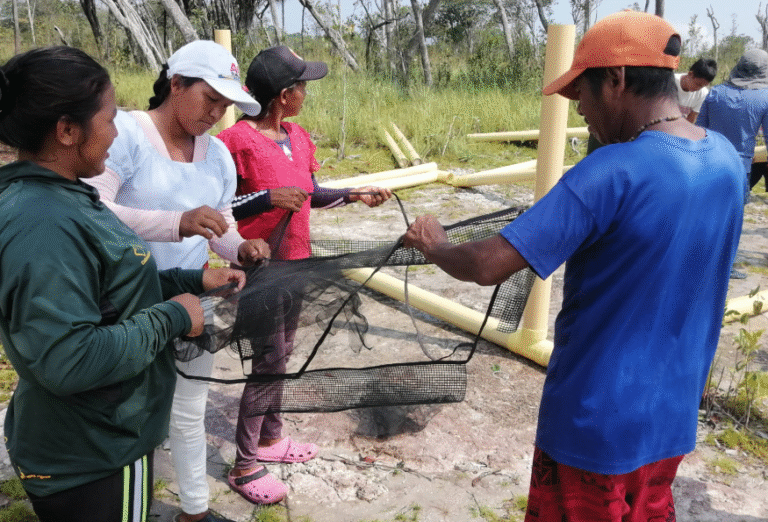
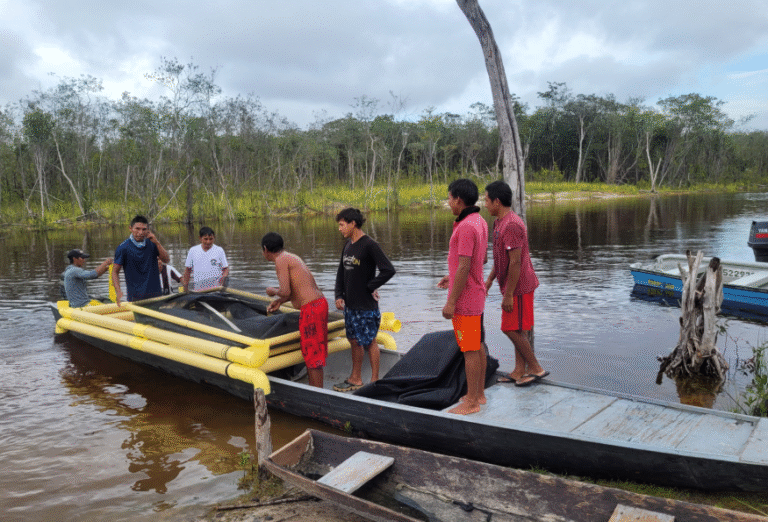
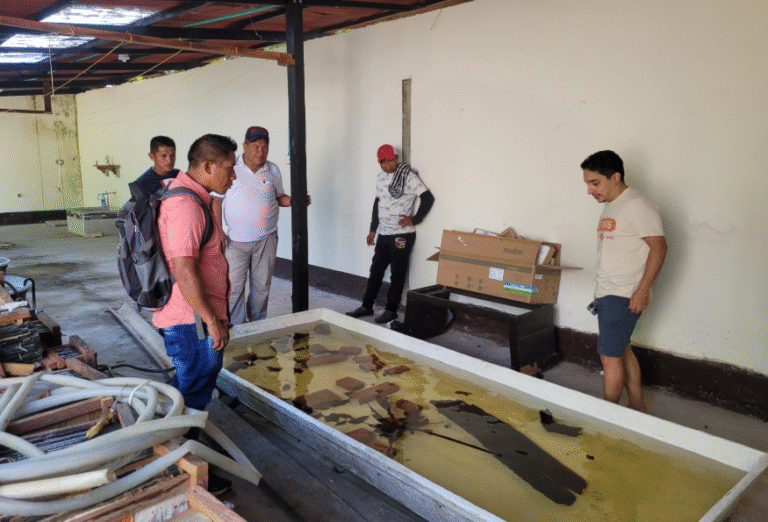
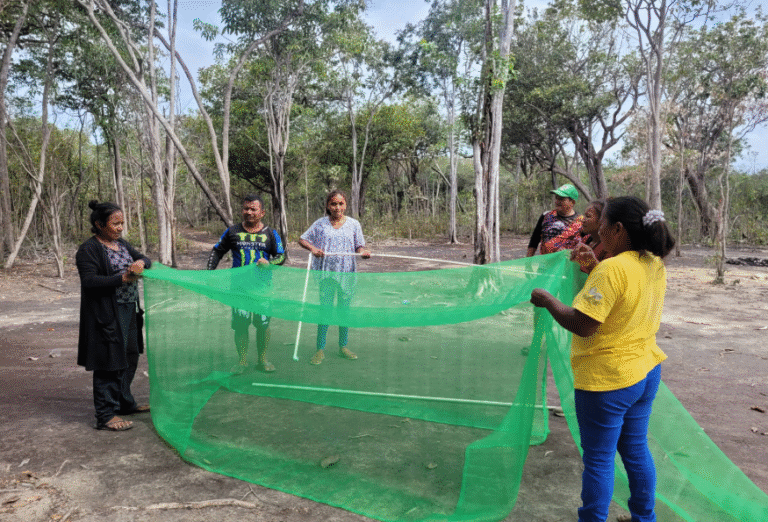
The ability to observe and document this process was made possible by the controlled conditions created through the Ornamental Fish Breeding in Captivity Project, developed within the framework of the REDD+ Matavén Project in partnership with FUNINDES.
In addition, this work enables controlled reproduction of species that had not previously been documented under captive conditions, expanding scientific understanding of their biology and development. The species inhabits blackwater ecosystems within the transition between the Orinoquía and the Amazon, and plays an important role in the ornamental fish trade, making sustainable management and knowledge generation especially relevant.
The article also highlights the importance of the work carried out in Matavén as a contribution to biodiversity conservation and the protection of species that may be affected by overexploitation.
Science applied to conservation and community well-being
Since July 2021, the REDD+ Matavén Project has been implementing, in partnership with FUNINDES, the Ornamental Fish Breeding in Captivity Project. This initiative supports families from three Indigenous communities in the Matavén Indigenous Reserve: Pueblo Nuevo Zama, La Urbana, and Pueblo Escondido. Its objective is to strengthen local capacities for breeding ornamental fish in captivity, reduce pressure on natural habitats, protect endemic species of the Matavén Forest, prevent overexploitation, and create new sustainable economic opportunities for Indigenous communities.
A contribution from Matavén to global research
The article acknowledges the support of Indigenous communities in the territory, particularly from La Urbana, in the collection of specimens and the development of the research process. This recognition highlights how territorial knowledge, community engagement, and productive initiatives implemented within the REDD+ Matavén framework enable the development of scientific research with global relevance.
From Matavén, forest protection also drives knowledge that contributes to a better understanding of the planet’s biodiversity and strengthens sustainable solutions rooted in the territory.
Learn more about our biodiversity, conservation, and community development programs in the Matavén Indigenous Reserve.