
Productive Projects
Through this Key Activity, we design and develop Productive Projects alongside Family-based Agri-Food Production Systems to enhance food production, ensure food security, promote sustainable agricultural practices, reduce pressure on the forest, and create new economic opportunities for Indigenous communities. These projects are driven by Matavén Indigenous peoples. We have been leading these four large-scale productive projects, along with the Indigenous Cooperative COOMATAVÉN.
REDD+ Matavén
Native Timber Species Project
In collaboration with the Granja Tarapacá Foundation, this ongoing project benefits 90 families from 9 Indigenous communities, focusing on sustainable development. Key aspects of the project include:
Technical Assistance and Supplies:
- Provide essential agricultural supplies, fertilizers, and tools such as cacao plants, plantain saplings, maize, native timber trees, shovels, machetes, and pruning shears.
- Offer training in crop management, pest control, and post-harvest techniques.
Nursery and Infrastructure:
- Established a 1,000-square-meter nursery in Cumaral, with areas for substrate preparation and inventory control.
- Grafting with cloned genetic material to enhance cacao plant quality and yield.
- Constructed 10 bio-preparation laboratories and 9 cacao almond processing centers for post-harvest processing.
Agroecological Practices:
- Promote natural alternatives to chemical inputs, including compost, forest mulch, and bio-preparations made from cow manure, whey, molasses, and rock dust.
- These methods help protect the environment and reduce costs for farmers.
Economic Impact:
- The first cacao harvest has started, generating income for participating families.
- Aiming for organic certification to sell higher-quality cacao at premium prices, further boosting economic benefits for Indigenous communities.
- The Agroforestry Cocoa, Plantain, Fruit Trees, and Native Timber Species Project continues to deliver measurable benefits for Indigenous communities, reinforcing climate resilience and biodiversity conservation while promoting a high-integrity model for sustainable production.
-
To explore more about its impact, community success stories, and the latest updates, visit our News Section.
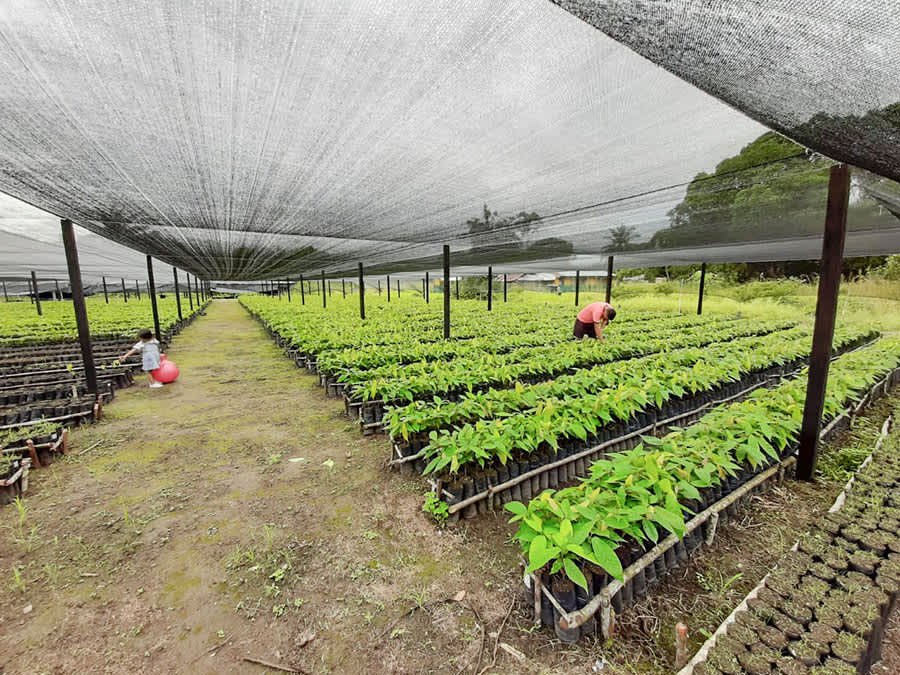

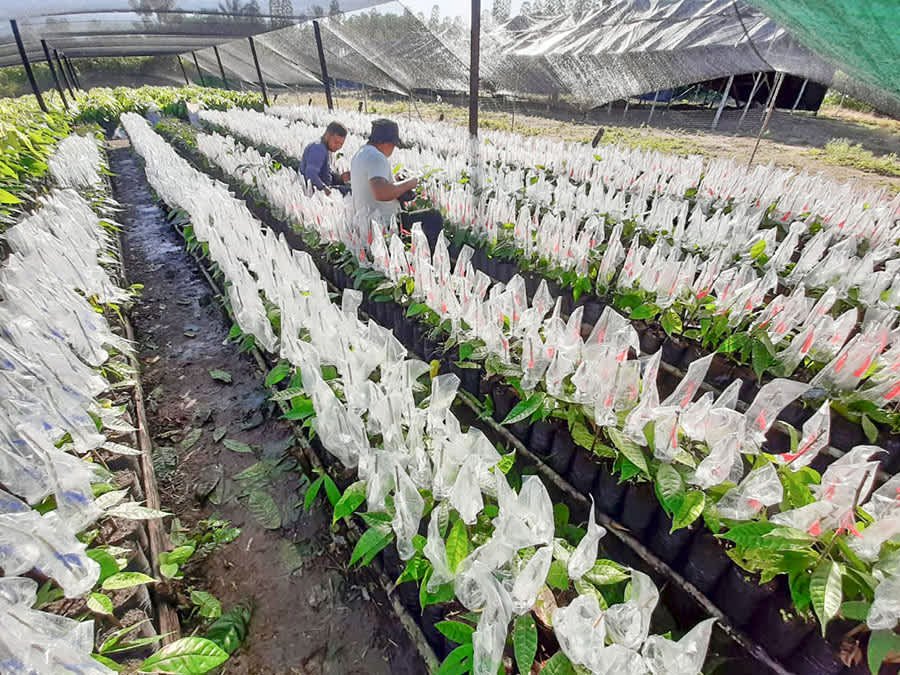

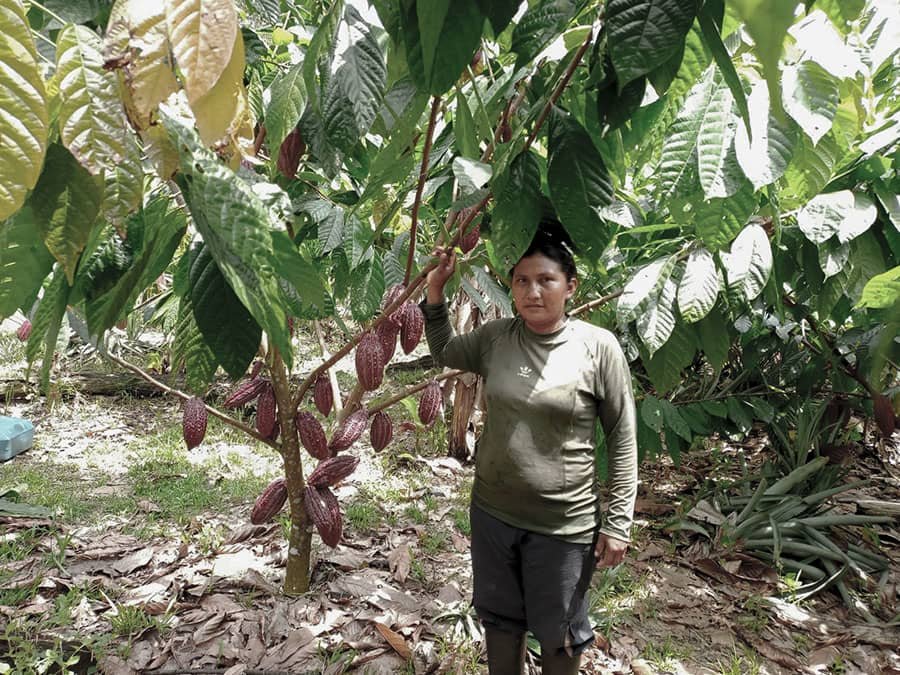
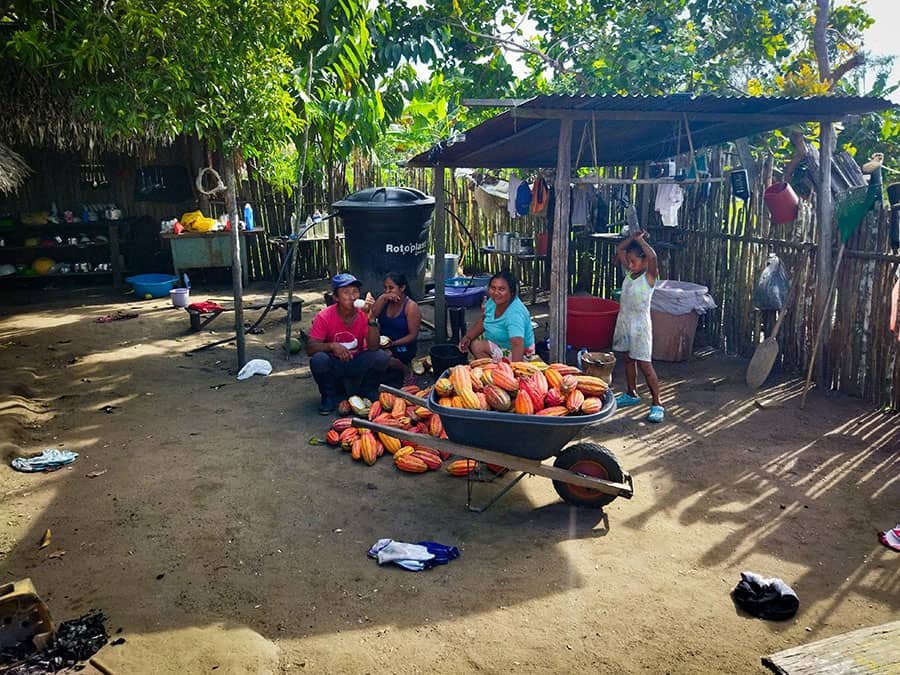
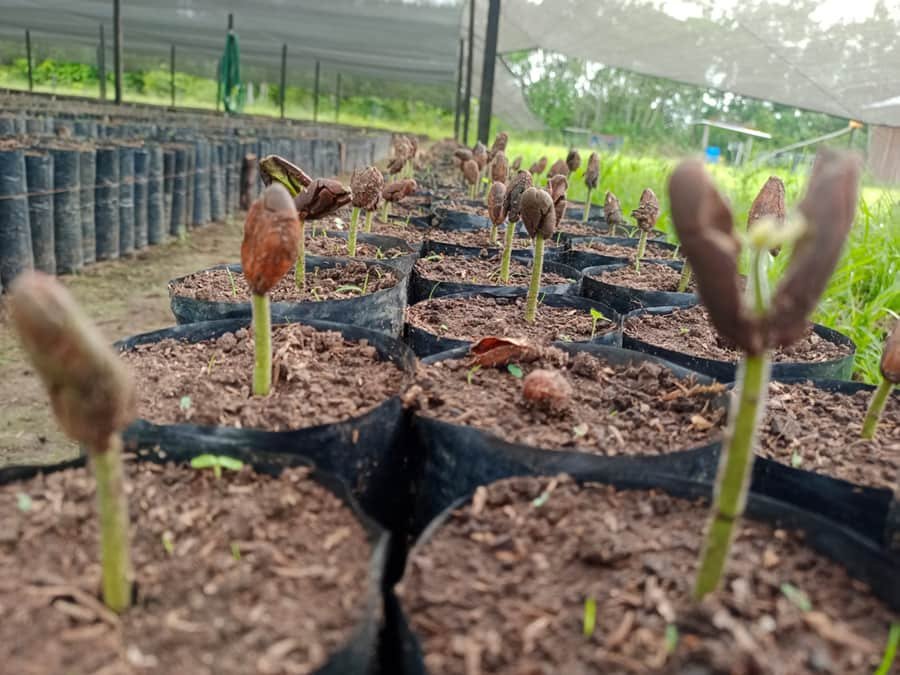
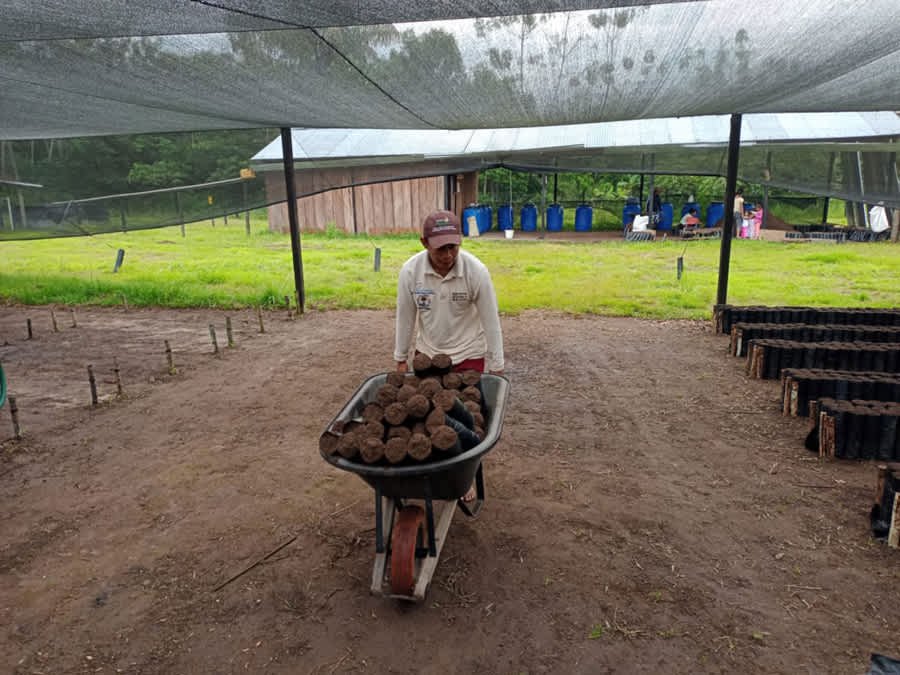
Launched in September 2021 in partnership with the Fundación Granja Tarapacá, this project operates across 2 Farm Schools involving 11 Indigenous communities, benefiting 50 families: the Kulima Pabi Farm School for the Matsuldani, Boponé, San Marcos, San Roque, and Siracusa communities (Aiwakuna Tsepajibo sector); and the Banakale Pabi Farm School for the Siwo Tsenebo, Trinidad, Nazareth, Naranjito, Siwo Rincón, and Merey Danubio communities (Bajo Río Vichada 1 sector). The schools are self-sufficient spaces where agroecology and natural resource protection coexist, blending ancestral knowledge with modern sustainable practices. Key aspects of the project include:


Supplies and Infrastructure:
- Each participant receives essential supplies, materials, and equipment for sustainable agriculture.
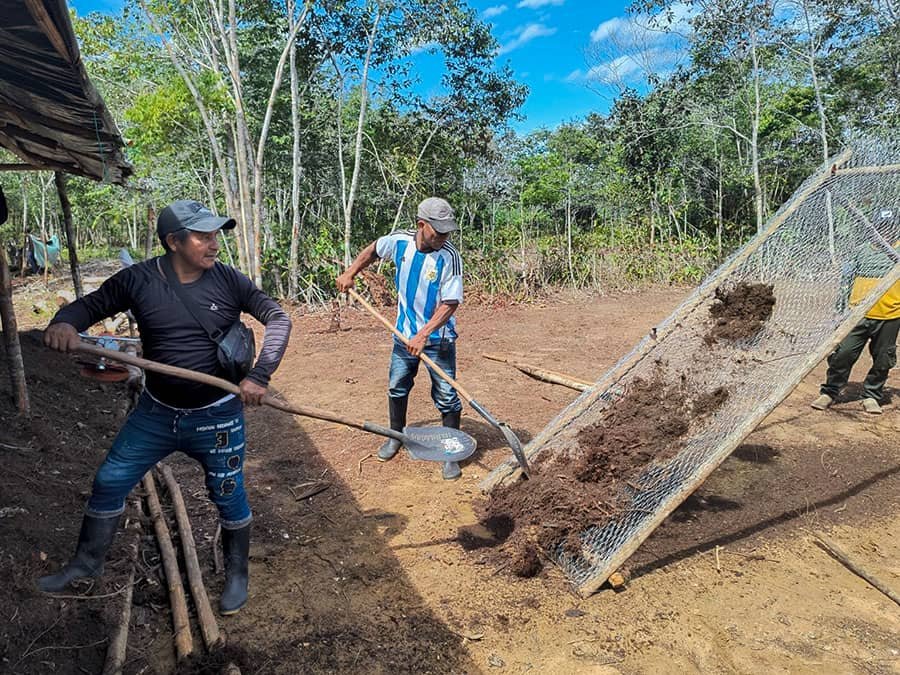
- Construction of nurseries and laboratories for producing fertilizers and natural compost.
- Green manure and planting materials are prepared using community- collected resources.
- The schools focus on substrate preparation, foliar fertilization, and crop cleaning to support agroecological production.
- Special adaptations are made to revegetate soils and provide the nutritional resources needed for agroecological farming.
Continued Development:
- Expanded the two 5-hectare farm schools, providing agricultural tools such as brush cutters, cultivators, water pumps, storage tanks, and irrigation systems.
- Ongoing training for participating families to promote agroecology and sustainable practices, combining ancestral knowledge with new techniques.
- Communities regularly gather to cultivate cassava, maize, plantains, sugar cane, chili, beans, medicinal plants, trees, and pastures. These crops support both people and animals.
- Youth and women play leadership roles, supported by elders (unuma).

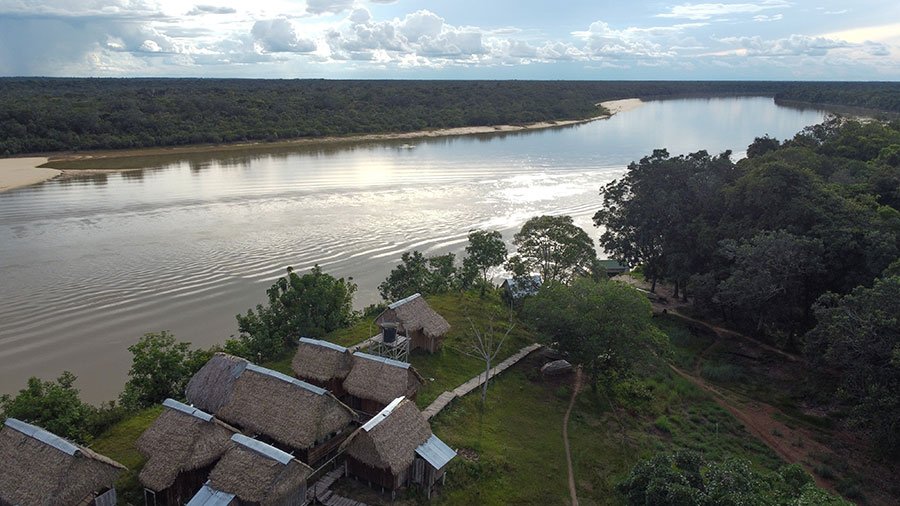
Launched in July 2021 in partnership with the Fundación “Cuidar la Tierra”, this project promotes sustainable tourism and supports 4 Indigenous communities: Barranco Colorado and La Urbana (Zone 3), and Laguna Cacao and Laguna Negra (Zone 4), benefiting 40 families. Key components include:

Infrastructure Development:
- Construction of ecolodge cabins, observation platforms, and interpretative trails in each community, featuring rest points, benches, and informational signs.
- Participation in fairs to promote the project and attract interest.
Training and Capacity Building:
- Ongoing workshops for beneficiaries on, hotel management and administration, cultural gastronomy, tourist guiding and transportation
- Focus on building local expertise in designing tourism packages, cabin construction, food handling, hygiene, hospitality, first aid, and guiding services.
- Beneficiaries are now well-prepared to offer high-quality and safe tourism services.
- Infrastructure upgrades are being completed, including installations for electricity, internet, and bathrooms with running water.
- We are in the process of negotiating an agreement with a national and international tour operator to begin welcoming tourists to the ecolodge cabins by next year.
Launched in July 2021 in partnership with FUNINDES, this ongoing project supports families from 3 Indigenous communities in Zone 3: Pueblo Nuevo Zama, La Urbana, and Pueblo Escondido. The project focuses on the captive breeding of ornamental fish to reduce pressure on their natural habitats, protect endemic species in the Matavén Forest, and prevent overharvesting, while creating new economic opportunities for Indigenous communities. Key components include:
Training and Capacity Building:
- The project addresses the risk of extinction for ornamental fish in local streams. If these fish disappear, the ecosystem in the streams is severely impacted.
- We have distributed supplies and trained beneficiary families in best practices for capturing, transporting, and storing ornamental fish without causing harm or illness.
Captive Breeding:
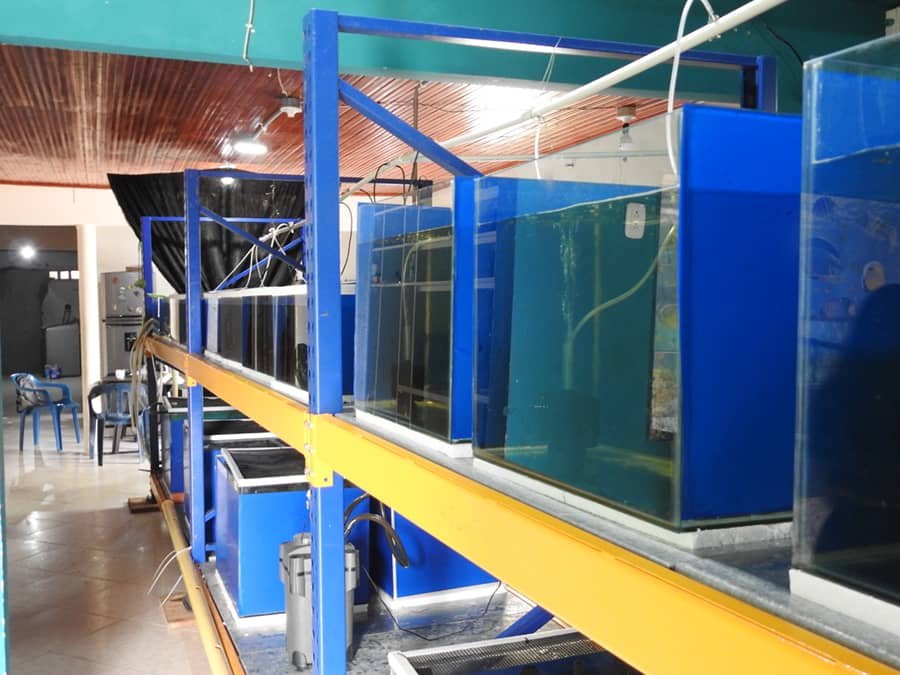
- We are advancing captive breeding techniques in laboratory conditions. Once perfected, this knowledge will be shared with the communities, reducing reliance on wild capture and ensuring the long-term sustainability of the species.
- We continue to work towards obtaining the necessary permits from AUNAP (National Aquaculture and Fisheries Authority) for the reproduction and commercialization of ornamental fish.
Captive Breeding:
- We have installed 3 floating cage systems for fish storage and 3 water quality monitoring systems.
- Specialized nets have been developed to capture fish safely, preventing injury.
- A laboratory for ornamental fish breeding and a collection center have been set up in Inírida.
- With more countries banning the sale of fish captured from natural habitats, demand for captive-bred fish is rising, offering great potential for sustainable economic growth.


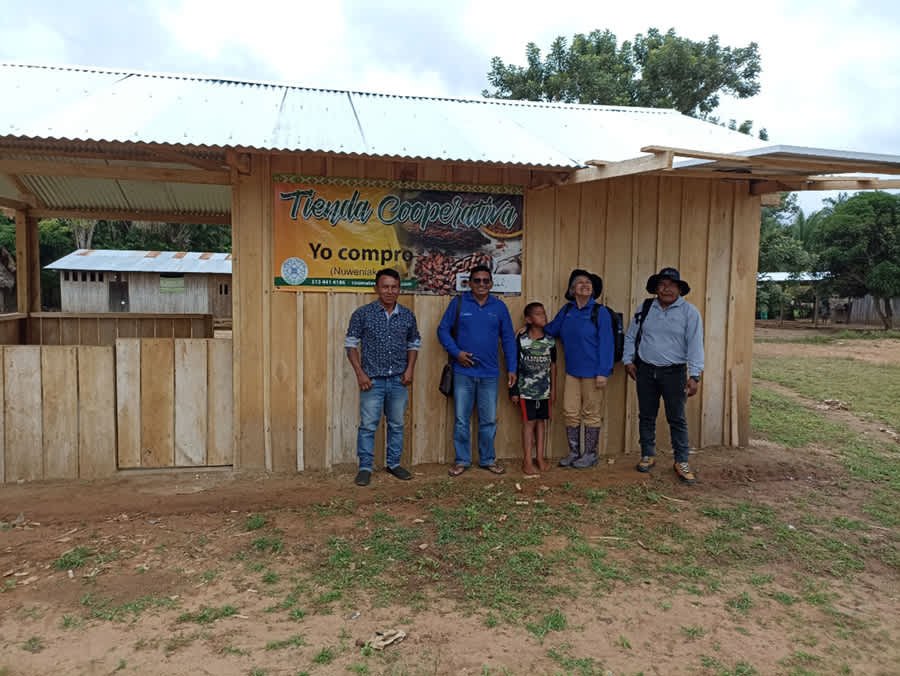
Established in 2019, the Coomatavén Multiactive Cooperative was founded to integrate and coordinate the activities of various organizations in Matavén, as well as participants in the REDD+ Matavén Productive Projects. This cooperative plays a vital role in strengthening economic development within the region by providing a platform for Indigenous communities to commercialize their products and creating a network of local solidarity economic circuits.
Infrastructure Development:
- Designed, constructed, and equipped a collection center and store in Inírida.
- Established solar-powered stores in Cumaral and Morichal.
- Stores commercialize locally cultivated and crafted products, including handicrafts to address consumption needs of nearby residents at affordable prices.
Training and Capacity Building:
- Ongoing training workshops for cooperative members and the Board of Directors in cooperativism, administration, planning, management, and control to strengthen governance, build capacity and ensure long-term sustainability.
Governance and Management:
- Conduct General Assemblies.
- Reform cooperative statutes, enhancing governance.
Local Economic Initiatives:
- Implement bartering systems using mañoco (cassava flour) and cacao for groceries at cooperative stores.
- Began commercialization of surplus products from the productive projects in Inírida.
- Purchased 2 tons of cacao from families involved in the Cacao Productive Project, generating a new income source, offering a better price.
- Advanced in creating an internal control system for organic certification of cacao, enabling access to premium markets.