
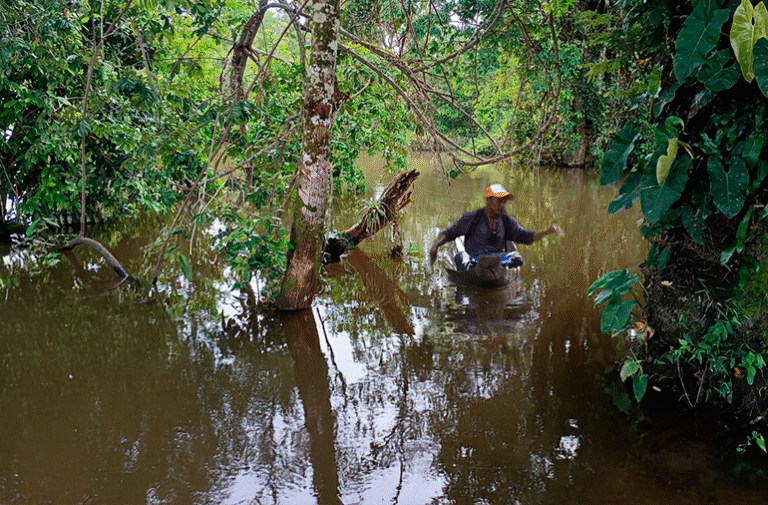
When we think of the Amazon, we often imagine an endless green ocean. When we picture the Orinoquía, vast open savannas usually come to mind. The Matavén Forest is the living transition between these two worlds, a territory where open plains meet the great Amazonian rivers. Within this zone of convergence lie three ecosystems as fragile as they are essential, morichales, gallery forests and rebalses. Understanding them means understanding how water, forests and life sustain one another in Matavén.
These ecosystems form the foundation of life for wildlife, plant species and the Indigenous communities who inhabit the northern part of the territory.
A story born in the savanna
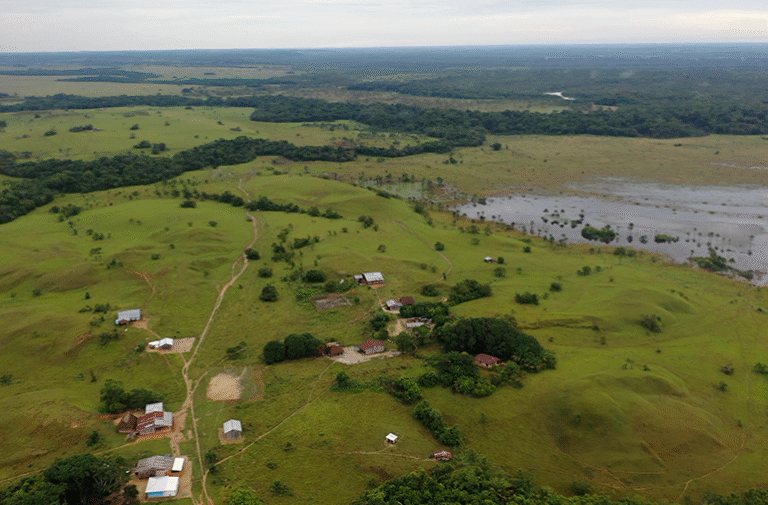
Everything begins in the open savannas, under the intense sun and the slow, steady movement of water flowing from south to north. In natural depressions shaped over time by terrain and climate, water accumulates and enriches the soil with nutrients. It is here that morichales emerge, true water sources and remarkable ecological engineers.
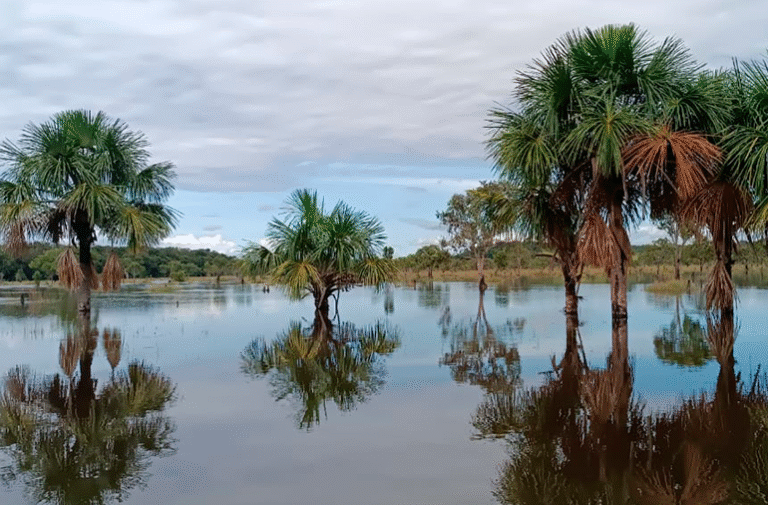
Moriche palms, highly resilient to sunlight, flooding and even fire, sustain life under extreme conditions. Their roots and shade create a fertile microclimate that allows new plant species to thrive, offers refuge to birds during the dry season and provides habitat for fish during seasonal floods. In this way, morichales nourish biodiversity while giving rise to gallery forests that follow the flow of water, increase carbon stocks and extend until they merge with the Vichada River.
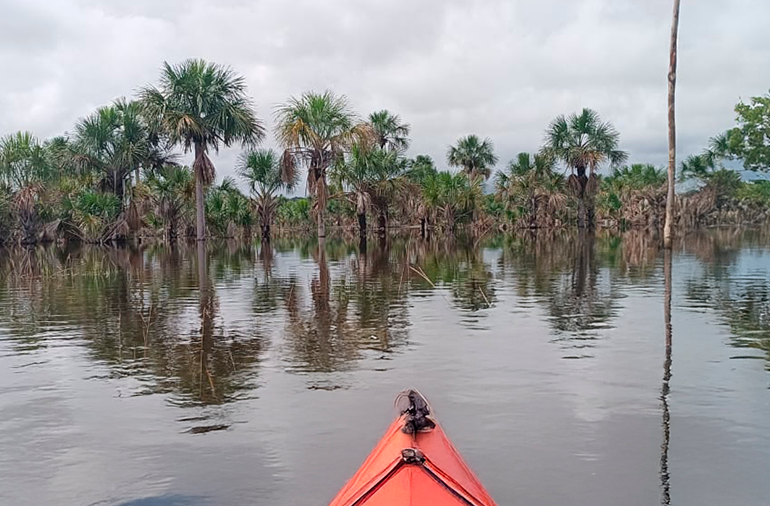
Gallery forests, guardians of water
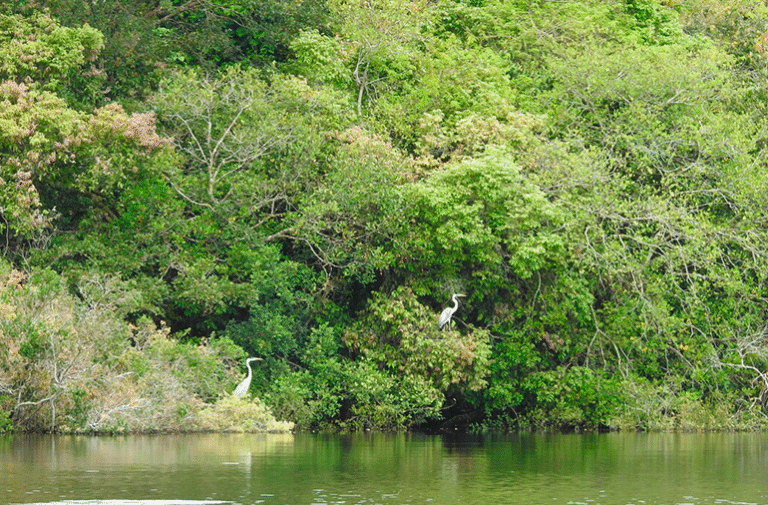
Born from morichales, gallery forests are green corridors that stretch across the savanna, following natural drainage lines. They act as guardians of water, protecting sources during the dry season and regulating water flows during the rains. These forests are also a source of food and shelter for mammals and birds, and for the Sikuani communities of Matavén.
Within gallery forests lie the conucos, traditional farming areas that ensure food security and sustain agricultural practices passed down from generation to generation. These forests represent the vital thread connecting savannas, forests and rivers, allowing communities to maintain a delicate balance between ancestral culture and environmental protection.
Eventually, gallery forests flow into their larger counterpart, the gallery forest of the Vichada River, a unique convergence where waters born just a few kilometers to the south meet those originating farther east. During the rainy season, this extensive floodplain forest transforms into a vast breeding ground for fish, securing food and livelihoods for the Indigenous communities of Matavén.
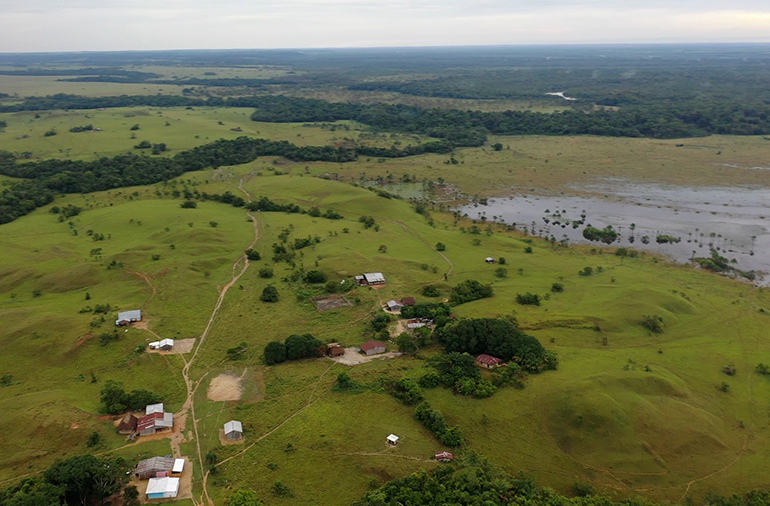
Rebalses, the great flooded forest
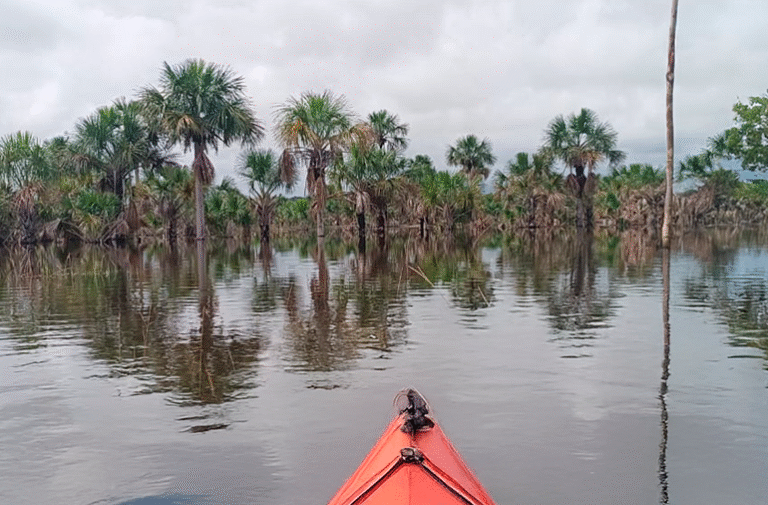
The flooded gallery forest of the Vichada River, part of the Helobiome, is known by the communities as rebalses. Each year, between May and August, these forests are inundated by rising waters, reaching their peak flood levels. This seasonal pulse is vital, enriching soils, dispersing seeds and driving fish reproduction, a key source of protein for the communities.
During these months, the forest becomes a temporary aquatic ecosystem where terrestrial and aquatic life intertwine in an ancestral cycle that sustains biodiversity and the livelihoods of those who depend on Matavén. As the waters recede, the forest reemerges renewed, supporting life throughout the rest of the year.
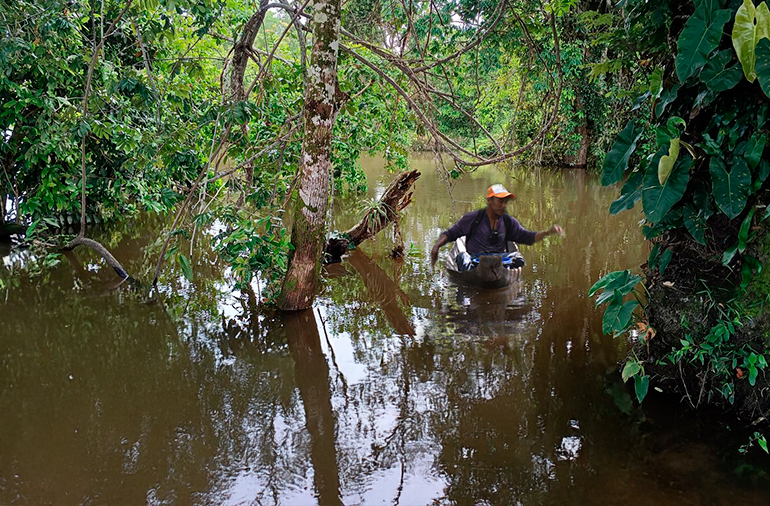
Connected ecosystems, protected values
These ecosystems, both valuable and fragile, face increasing pressure from human activities. The northern part of the territory concentrates the highest population density, with more than 15,000 inhabitants, making gallery forests and morichales especially vulnerable to use and transformation.
Gallery forests are accessible from all directions, which heightens their exposure. When agricultural practices expand into these areas, the forest gradually degrades, and secondary vegetation lacks the richness and diversity of primary forests. Deforestation of rebalses reduces the availability of fruits and seeds for mammals and birds, disrupting wildlife corridors used by large felines. Each intervention generates a chain of consequences that affects the entire ecosystem.
In response to these challenges, and through participatory workshops with the communities under the Verra Climate, Community and Biodiversity (CCB) Standard, these ecosystems were designated as High Conservation Values (HCV).
Alternatives for conservation
In the face of these challenges, the REDD+ Matavén Project promotes concrete alternatives developed through dialogue with the communities, reducing pressure on these ecosystems:
- Housing and Moriche Palm Protection Program Hiperlink https://reddmataven.com/impacts-benefits/special-programs/ provides roofing materials for homes, reducing the use of moriche palms as construction material.
- New conucos and savanna-based farms Hiperlink https://reddmataven.com/impacts-benefits/productive-projects/ strengthen food security while avoiding expansion into primary forests and gallery forests.
- Ornamental fish breeding in captivity Hiperlink https://reddmataven.com/impacts-benefits/productive-projects/ reduces pressure on rebalses while contributing to food security.
Thanks to these initiatives, morichales, gallery forests and rebalses are recognized, monitored and protected as natural and cultural treasures. They are essential for biodiversity and for the daily lives of those who depend on them. Most importantly, all conservation studies and actions carried out in Matavén are made possible by the REDD+ Matavén Project, an Indigenous-led model that demonstrates how protecting forests also builds a shared future.