
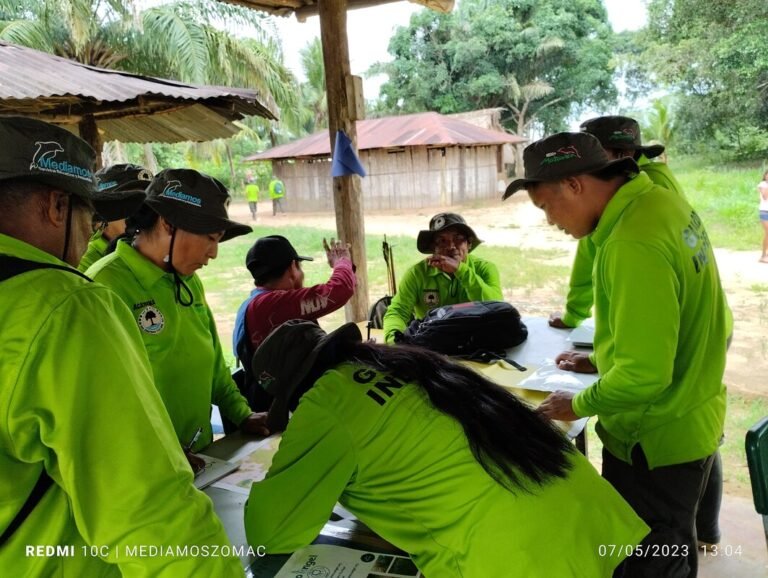
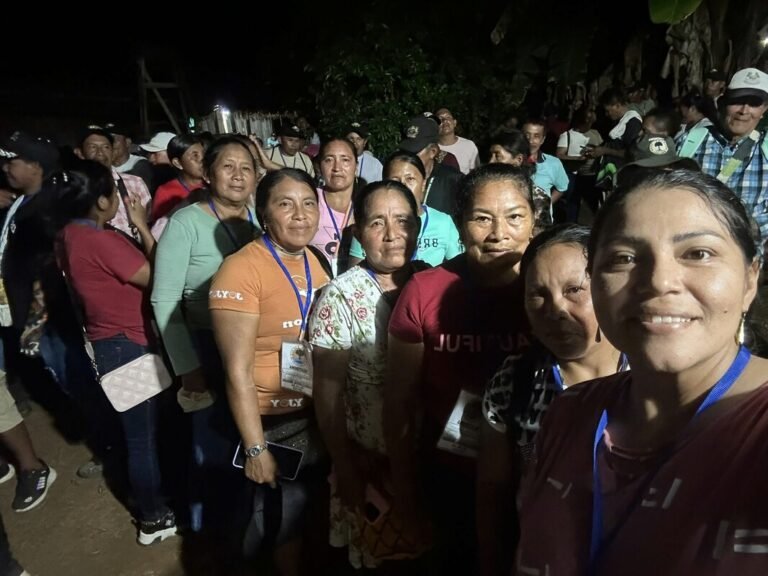
A new socioeconomic monitoring assessment conducted across 16 communities in the Selva de Matavén Indigenous Reserve highlights stronger community resilience and provides valuable insights to guide future conservation, Indigenous governance, and community well-being.
Protecting more than one million hectares of tropical forest also means understanding how the well-being of the people who live there evolves over time. At REDD+ Matavén, decisions are supported by technical data and continuous monitoring processes that help identify progress, challenges, and priorities to strengthen forest conservation and improve the well-being of the Indigenous communities living in Matavén.
As part of the project’s commitments under the Verra Climate, Community & Biodiversity (CCB) Standards, a new socioeconomic monitoring assessment was conducted through 361 household surveys across 16 communities within the Indigenous Reserve. This assessment provides a comprehensive understanding of the territory’s adaptive capacity in the face of environmental, social, and economic challenges while reinforcing the project’s commitment to transparency and continuous improvement.
Indigenous Communities Strengthen Their Capacity to Adapt
The results demonstrate positive progress in the adaptive capacity of Matavén. The overall Adaptive Capacity Index reached 67.4 points, corresponding to a Medium-High level and representing an increase of 9.8 points compared to the previous monitoring assessment.
These findings reflect stronger collective capacities to respond to environmental and social changes while maintaining traditional livelihoods and protecting the territory. Among the most significant improvements are stronger community organization, greater cooperation among communities, and a high level of climate change awareness, all of which contribute to strengthening Indigenous governance as a foundation for long-term forest conservation.
Conservation Also Strengthens Indigenous Governance
The monitoring assessment shows that one of the most significant improvements occurred in the institutional dimension, which recorded substantial progress over the past three years. Cooperation among communities achieved one of the highest scores in the assessment, while climate change knowledge demonstrates a strong understanding of this issue throughout the territory.
These results illustrate how Indigenous governance, collective action, and decision-making led by Traditional Authorities continue to strengthen as fundamental pillars of forest conservation.
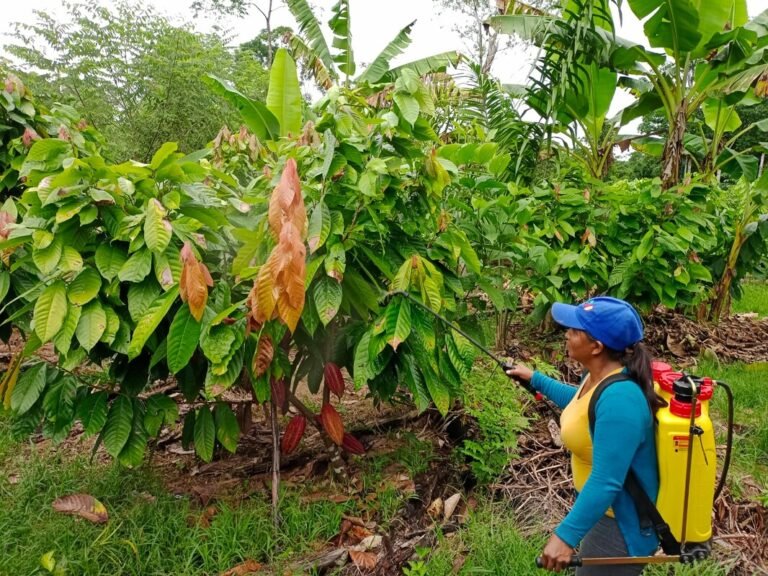
Likewise, the socioecological dimension achieved the highest overall score, reflecting the close relationship between Indigenous communities and the ecosystems that sustain them. The findings confirm that traditional livelihoods remain deeply connected to the forest, reinforcing the importance of protecting the natural resources that support culture, food security, and community well-being.
Measuring Progress Also Means Identifying Challenges
Monitoring not only demonstrates the progress achieved, it also identifies the areas where continued efforts are needed to strengthen the territory’s resilience. The assessment highlights ongoing challenges related to community infrastructure, access to healthcare services, and basic sanitation, conditions that have historically affected Matavén.
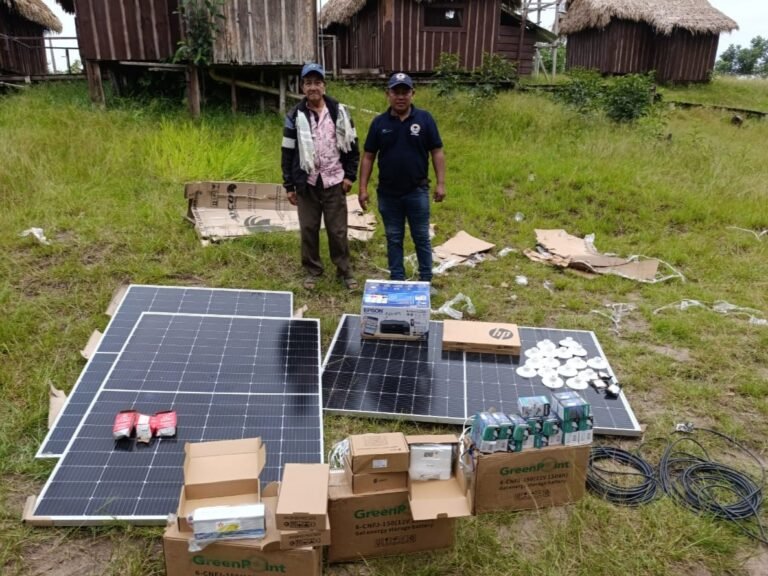
For the past 14 years, REDD+ Matavén has helped address part of these challenges through its 8 Core Activities and 6 Special Programs, financing initiatives that improve access to drinking water, housing improvements, healthcare, education, and other actions that enhance the well-being of Indigenous communities. Continued collaboration with public institutions remains essential to advance solutions for these structural needs.
Data That Guides Future Decisions
The results of this monitoring assessment serve as an important planning tool for the Indigenous Authorities and REDD+ Matavén. The information collected helps guide future actions to strengthen the territory, support evidence-based decision-making, and further consolidate climate change adaptation strategies.
At REDD+ Matavén, protecting the forest also means listening to the territory, measuring progress, and working together with Indigenous communities to build solutions that strengthen the resilience of both the forest and the people who call it home.